
Photography Enters a New Era with Human Creativity and Artificial Intelligence

Photography is evolving fast. The blend of human creativity and artificial intelligence (AI) is opening doors to new artistic possibilities. AI is no longer just a tool for simple edits. It’s becoming a creative partner that helps photographers push boundaries and explore fresh ideas.
This new era is about collaboration. Photographers and AI working side by side to create images that were once impossible. From intelligent editing to cinematic storytelling, AI is transforming how we capture and experience photos.

Photographers now use AI tools to enhance their creative process.
How AI is Changing Photography Today
AI is already reshaping photography in several key ways:
Intelligent Editing
AI-powered software can analyze photos and suggest or apply edits automatically. This saves time and helps photographers focus on creative choices rather than technical details. For example, tools like Luminar Neo use AI to enhance lighting, remove unwanted objects, and improve colors with just a few clicks.
Lighting Simulations
AI can simulate different lighting conditions on a photo, allowing photographers to experiment with mood and atmosphere without needing physical lights. This opens up creative options for studio and outdoor shoots alike.
Composition Assistance
Some AI tools analyze the composition of a photo and suggest improvements. They can recommend cropping, framing, or even new angles to make the image more striking.
Cinematic Storytelling Tools
AI helps photographers tell stories through images by suggesting sequences, transitions, or effects that create a cinematic feel. This is especially useful for photographers who want to create immersive photo essays or visual narratives.
These advances show that AI is not here to replace photographers but to support and expand their creative vision.
Imagining the Future of Photography with AI
Looking ahead, AI could help photographers create images that blend reality and imagination in new ways:
Conceptual Framing
AI might assist in designing frames that challenge traditional perspectives. Imagine photos with impossible angles or surreal compositions that still feel natural and engaging.
Emotionally Responsive Lighting
Future AI could adjust lighting in real time based on the emotional tone a photographer wants to convey. This would add a new layer of storytelling through light and shadow.
Immersive Storytelling
AI could help build entire worlds within photos, combining multiple images or elements to create scenes that draw viewers deeply into the story.
Cinematic World-Building
By blending real and imagined elements, AI might enable photographers to create cinematic scenes that feel like stills from a movie, rich with detail and atmosphere.
AI could also predict the perfect moment to capture, helping photographers freeze emotions and actions at their peak. This would deepen the emotional impact of images and create stronger connections with viewers.

AI enables photographers to explore new visual worlds beyond traditional limits.
Balancing Creativity and Authenticity
As AI becomes more involved in photography, questions about authenticity and originality will grow. Some worry that AI-generated images might lack the genuine human touch or that real moments could be lost.
But the value of photography has always been in its ability to tell stories and evoke emotions. AI can enhance this by giving photographers new tools to express their vision. The key will be using AI thoughtfully, respecting the art form, and maintaining a connection to real human experiences.
Photographers who embrace AI as a creative partner will likely stand out. They will combine their technical skills and emotional storytelling with AI’s power to create images that feel both authentic and innovative.
Tools That Showcase AI’s Role in Photography
Two standout AI-powered tools illustrate how this collaboration works:
Luminar Neo
This software uses AI to simplify complex edits. It can remove distractions, enhance skies, and improve lighting with minimal effort. Photographers can focus on creative choices while AI handles technical tasks. Learn more at Luminar Neo.
Adobe Photoshop with Neural Filters
Adobe has integrated AI-driven neural filters that allow photographers to change facial expressions, age, or lighting in portraits. These tools offer new ways to tell stories and create mood. More details at Adobe Photoshop.
Both tools show how AI can be a creative assistant rather than a replacement. They help photographers explore new ideas and refine their work faster.
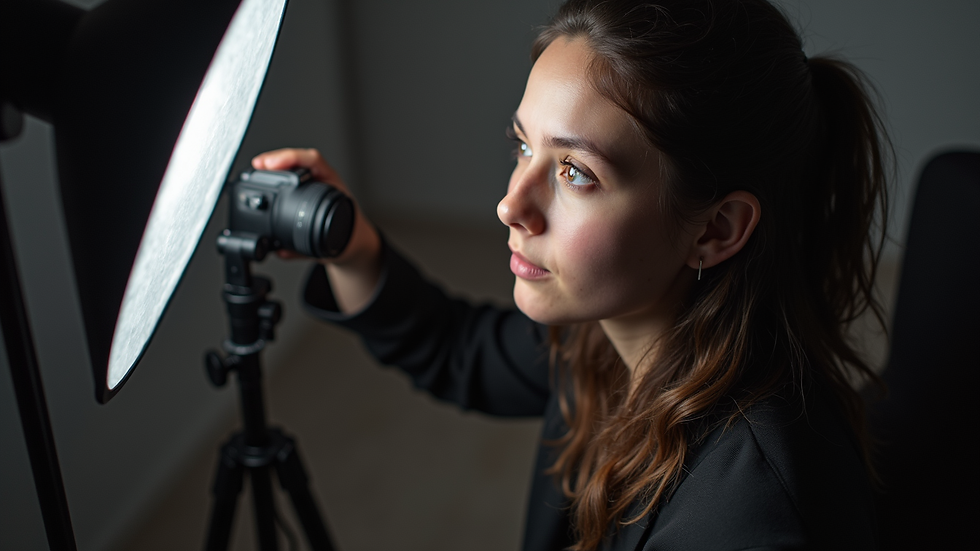
AI tools help photographers create emotionally rich portraits with precise lighting adjustments.
Embracing the Future of Photography
The future of photography will be shaped by those who combine human creativity with AI’s capabilities. Photographers will use AI to:
Visualize impossible angles
Predict the perfect moment
Create deeper emotional connections
Build immersive, cinematic worlds
This partnership will redefine what photography can be. It will open new creative paths and invite us to see the world through fresh eyes.
AI is not a threat but a powerful ally. It will help photographers tell stories that move us, inspire us, and capture the beauty of both reality and imagination.
Photography is entering a new era where the blend of human creativity and AI will unlock breathtaking new forms of art. The photographers who embrace this change will lead the way into a future full of endless visual possibilities.


Comments